

Physical Therapy Department – Service Overview
Muscle Function Training
Physical Therapy provide assessment and training for students with muscle function impairments, including:
1. Individual Training
-
1.1 Gross Motor Training Focuses on improving students’ control of the head, neck, trunk, and limbs. Enhances postural transitions and strengthens balance during sitting, standing, and walking.
-
1.2 Stretching Exercises Professional techniques are used to perform stretching exercises to maintain joint mobility and soft tissue flexibility.
-
1.3 Postural Positioning Utilizes various postures and equipment to promote muscle function development, prevent contractures, manage spasticity, and relax the body.
2. Group Training
Training in small groups enhances interaction, competitiveness, and enjoyment, thereby improving training outcomes. Examples include gross motor training groups and core strengthening groups.
3. Use of Assistive Devices on Campus
Assessment of students’ suitability for assistive devices and scheduling of device usage.
Chest and Pulmonary Therapy
Provides treatment for students with weaker lung function to maintain clear airways.
Collaboration with School Departments
Works closely with other departments to deliver comprehensive therapeutic services.
Training for Staff, Parents, and VolunteersTraining for Staff, Parents, and Volunteers
Workshops, seminars, and bulletin boards are used to enhance understanding of therapeutic theories and techniques.
External Liaison
Maintains communication with external medical institutions, including orthopedic departments and orthopedic surgeons at hospitals.
| 1. Mat-based activity training area | 2. Standing and walking training area | 3. Simulated terrain navigation training | 4. Upper limb and back stretching exercises |
 |
 |
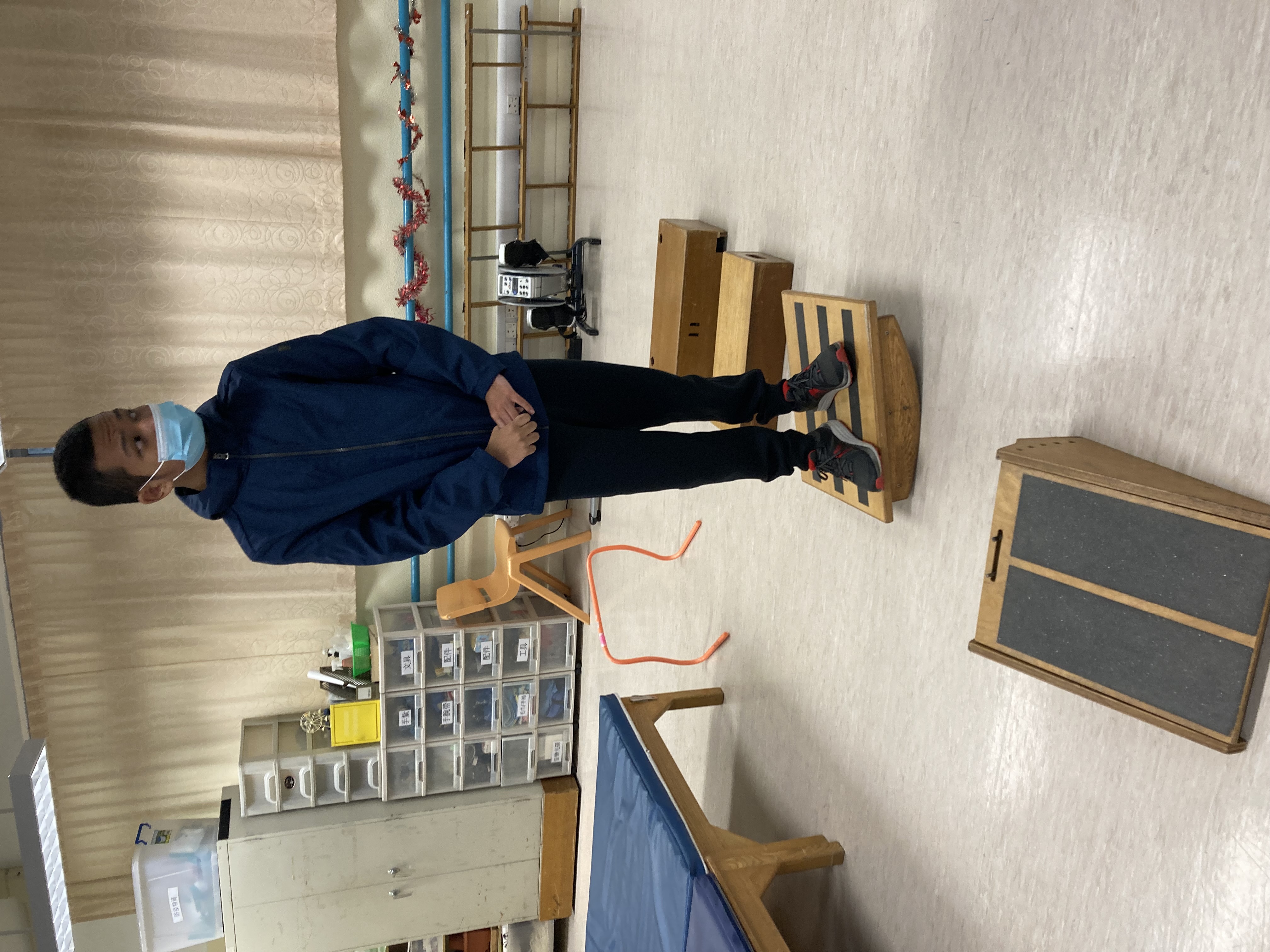 |
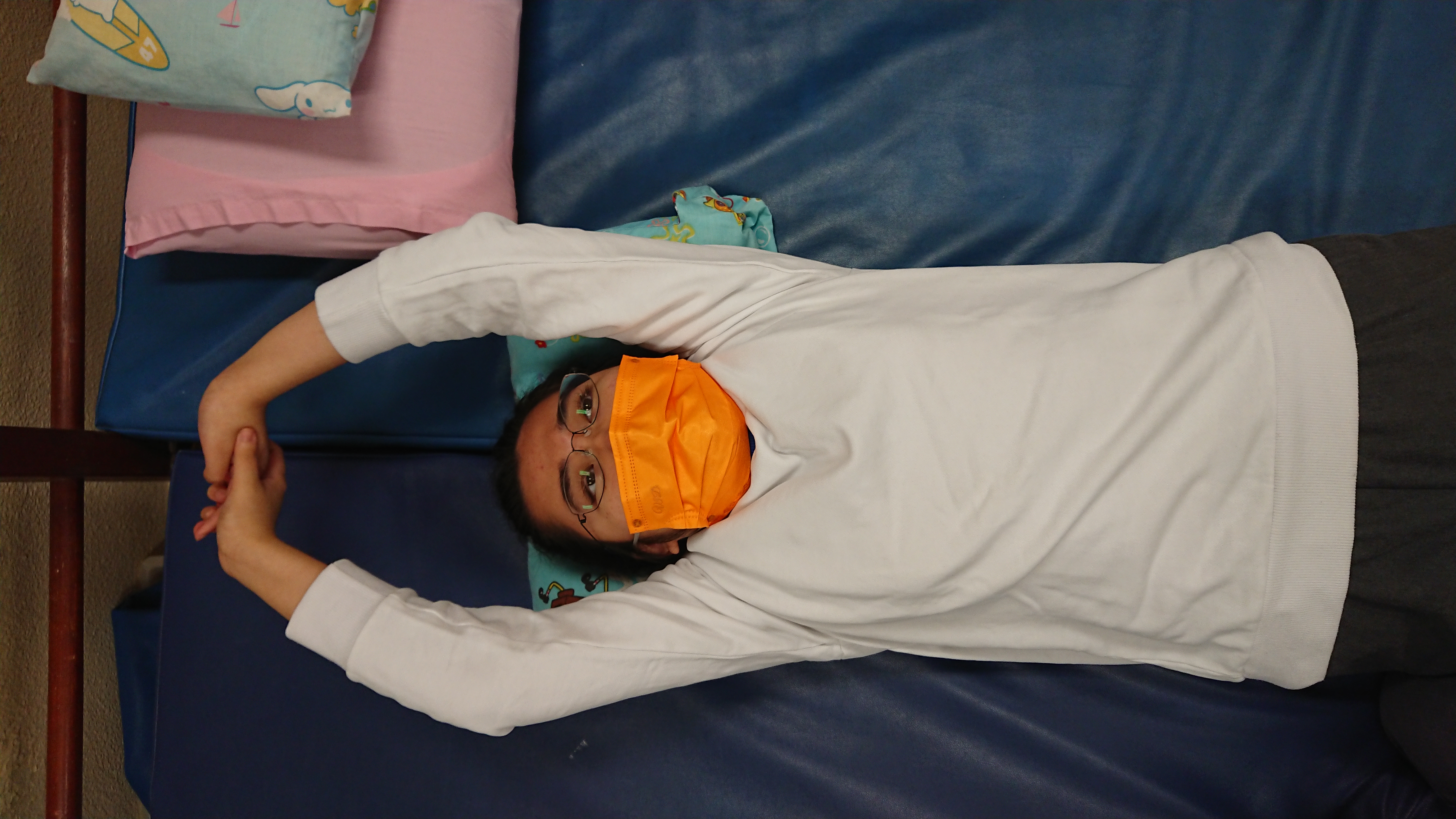 |
| 5. Hip and knee joint exercises | 6. Upper limb weight-bearing exercises | 7. Head-lifting practice using stair-back support and wooden box | 8. Core endurance training using cylindrical seating |
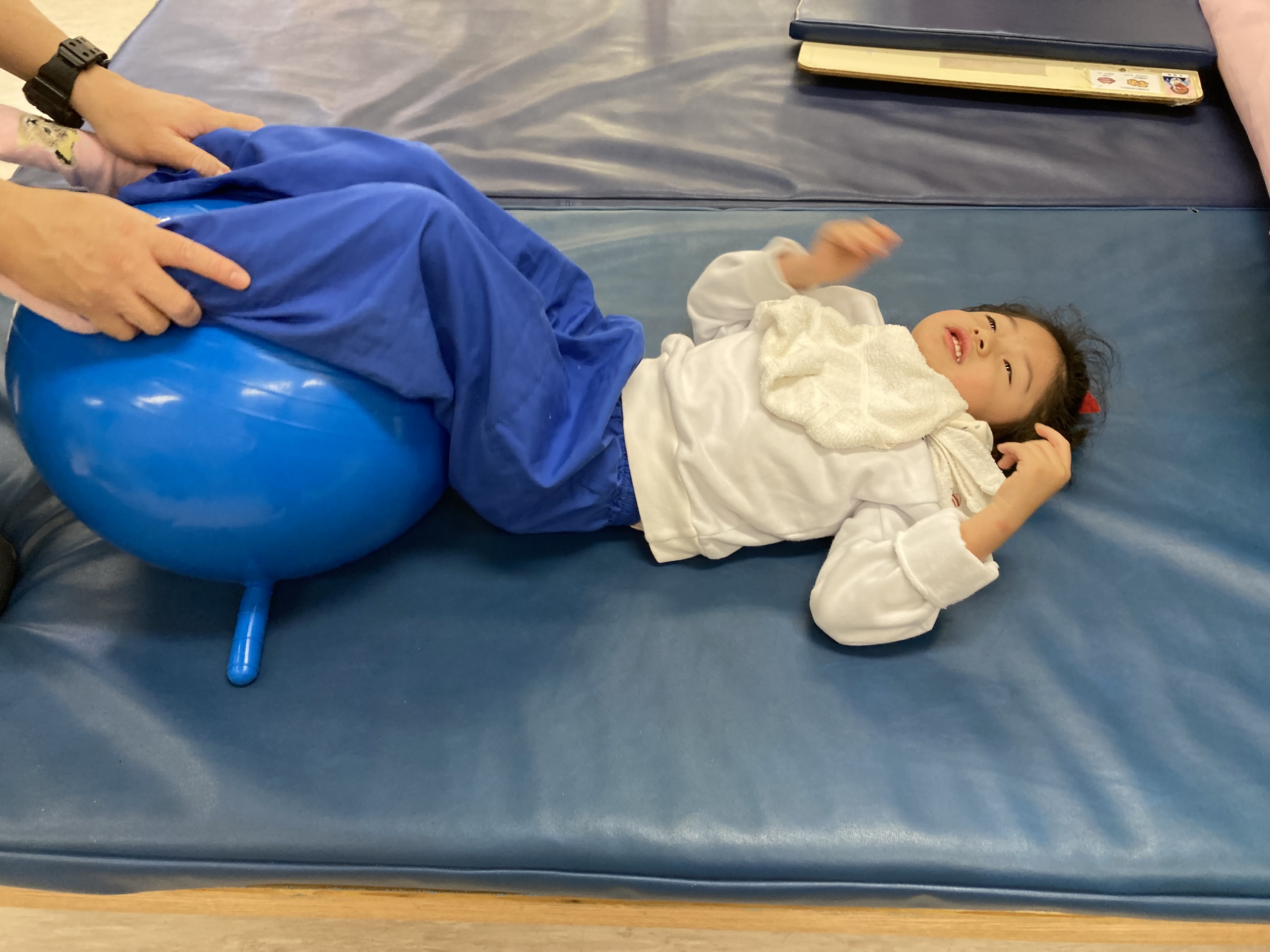 |
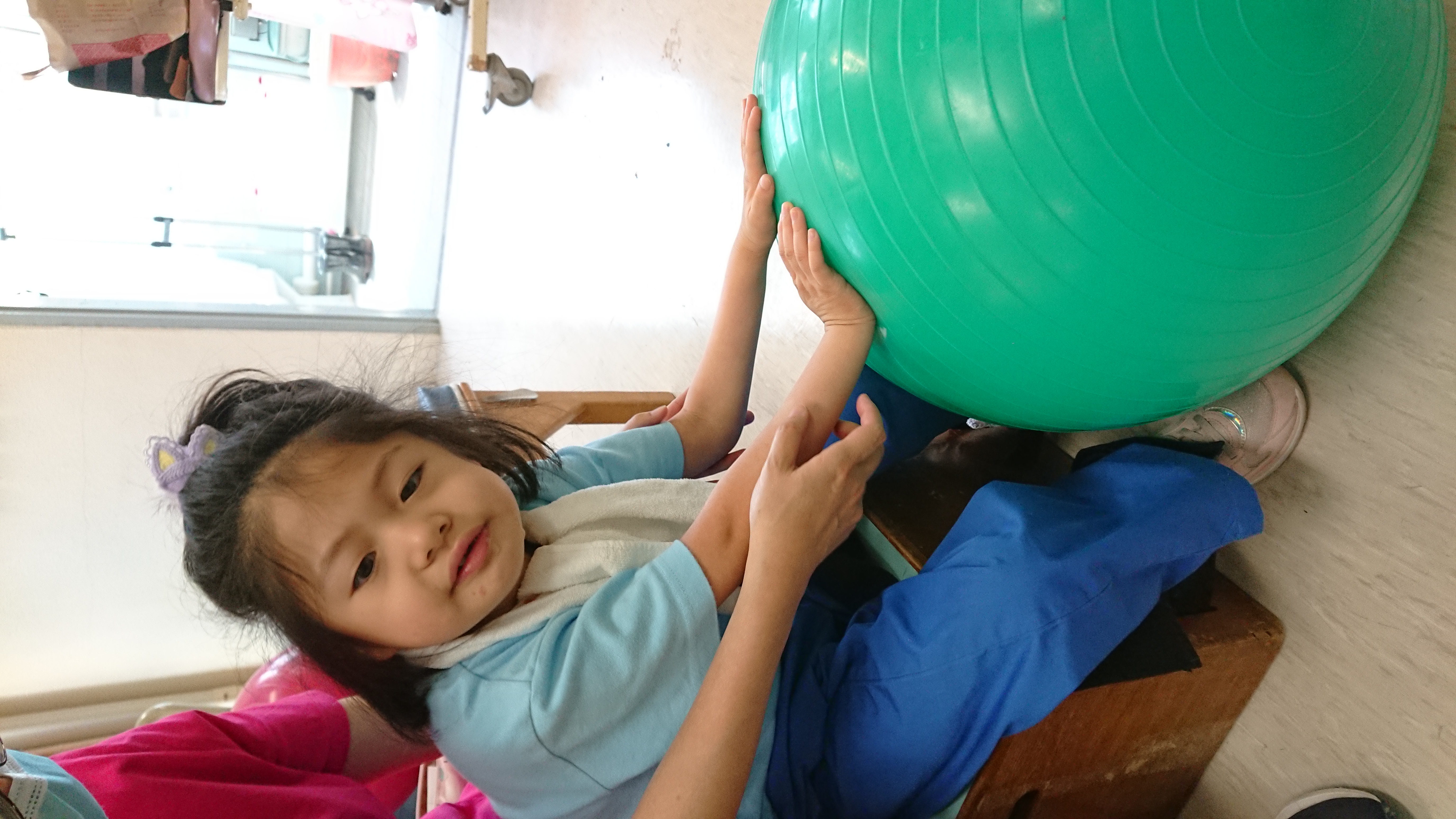 |
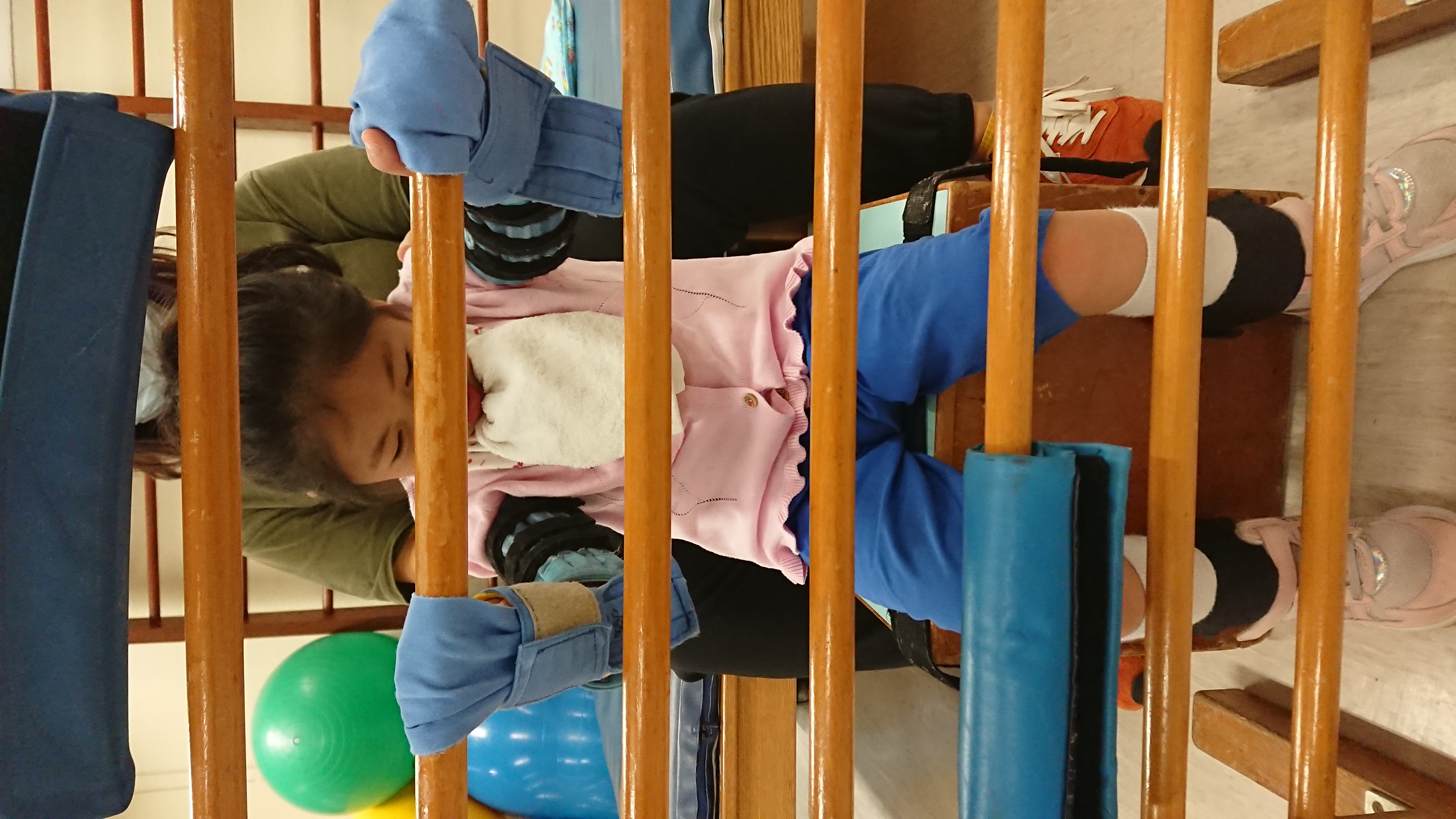 |
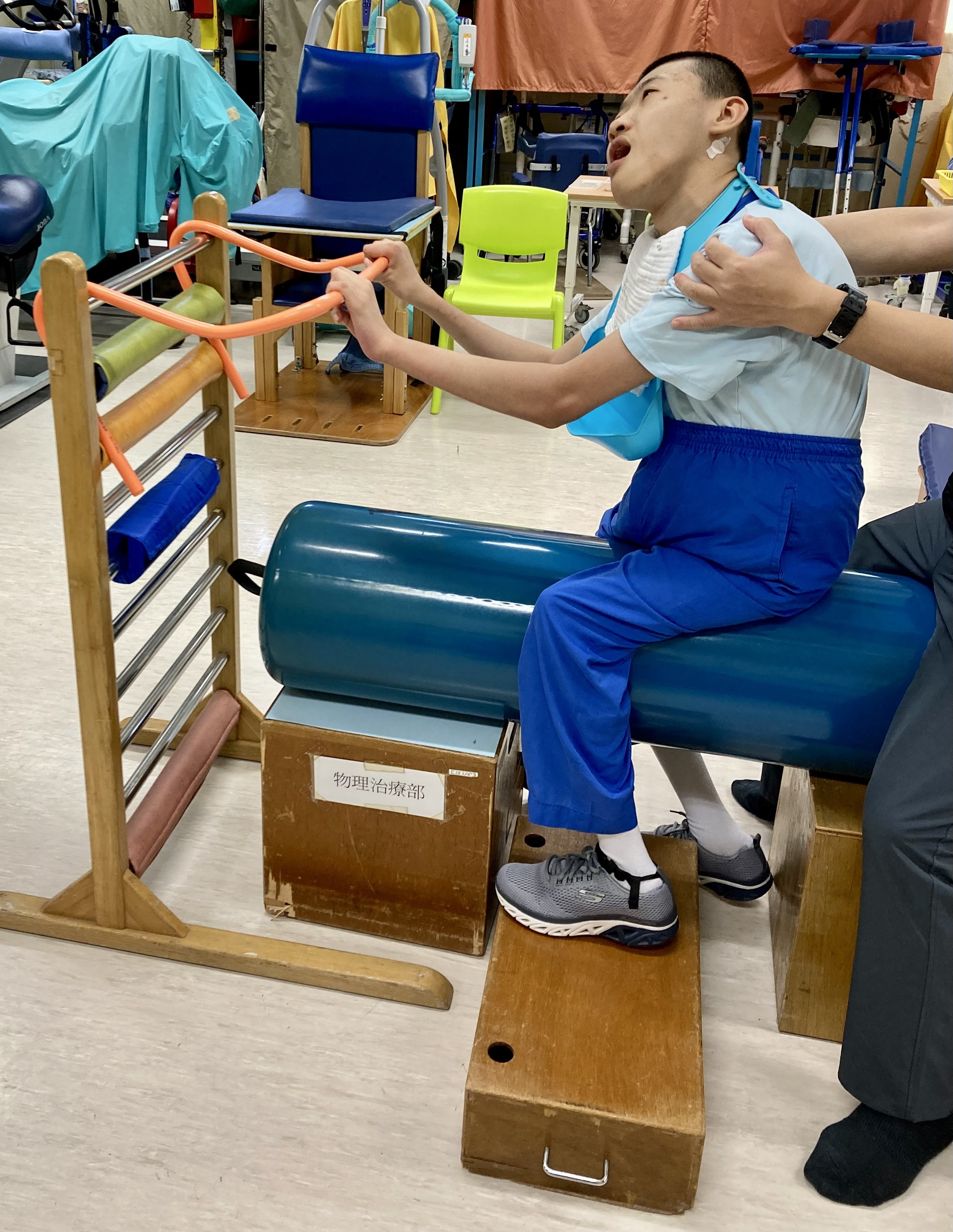 |
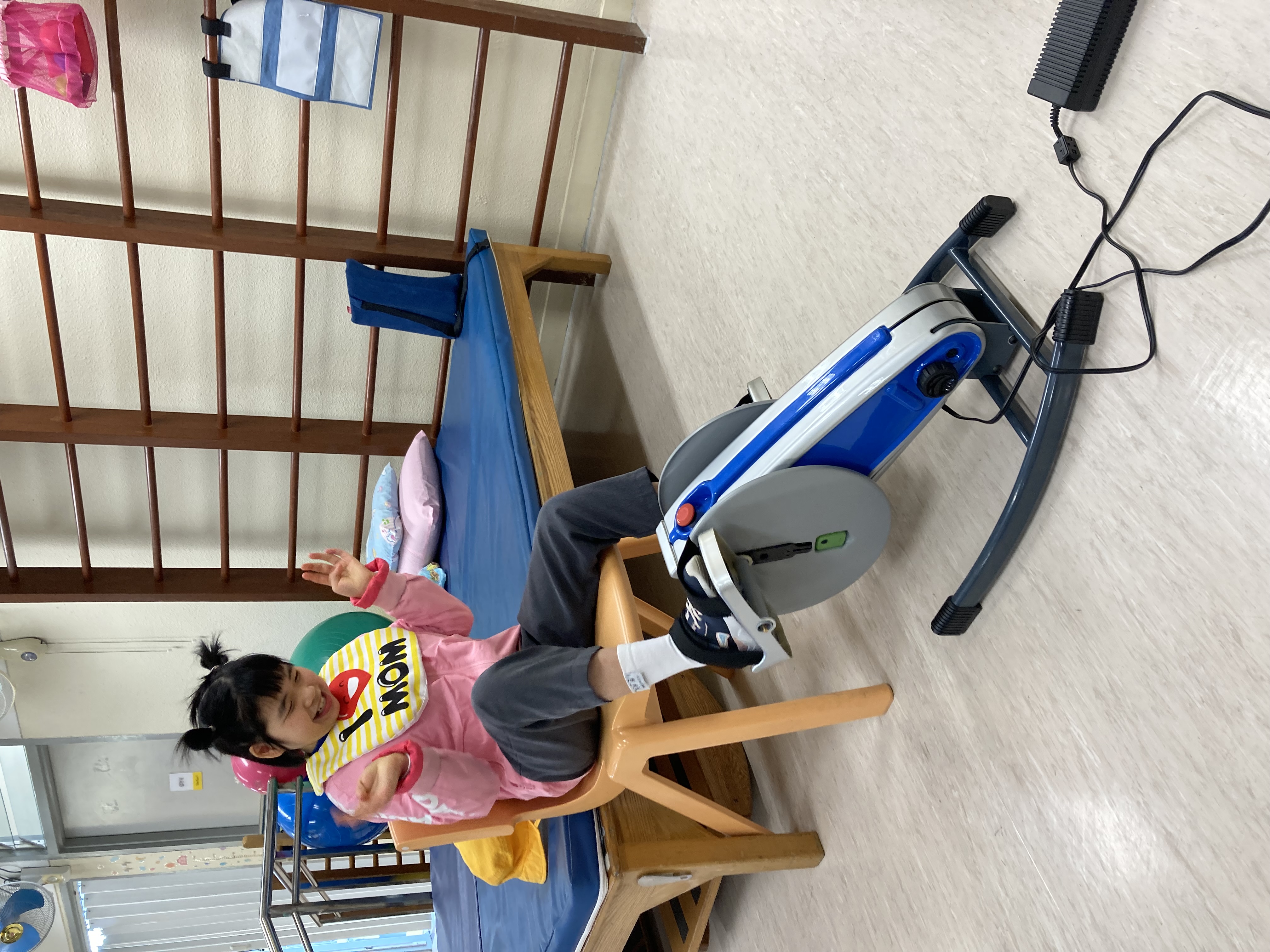
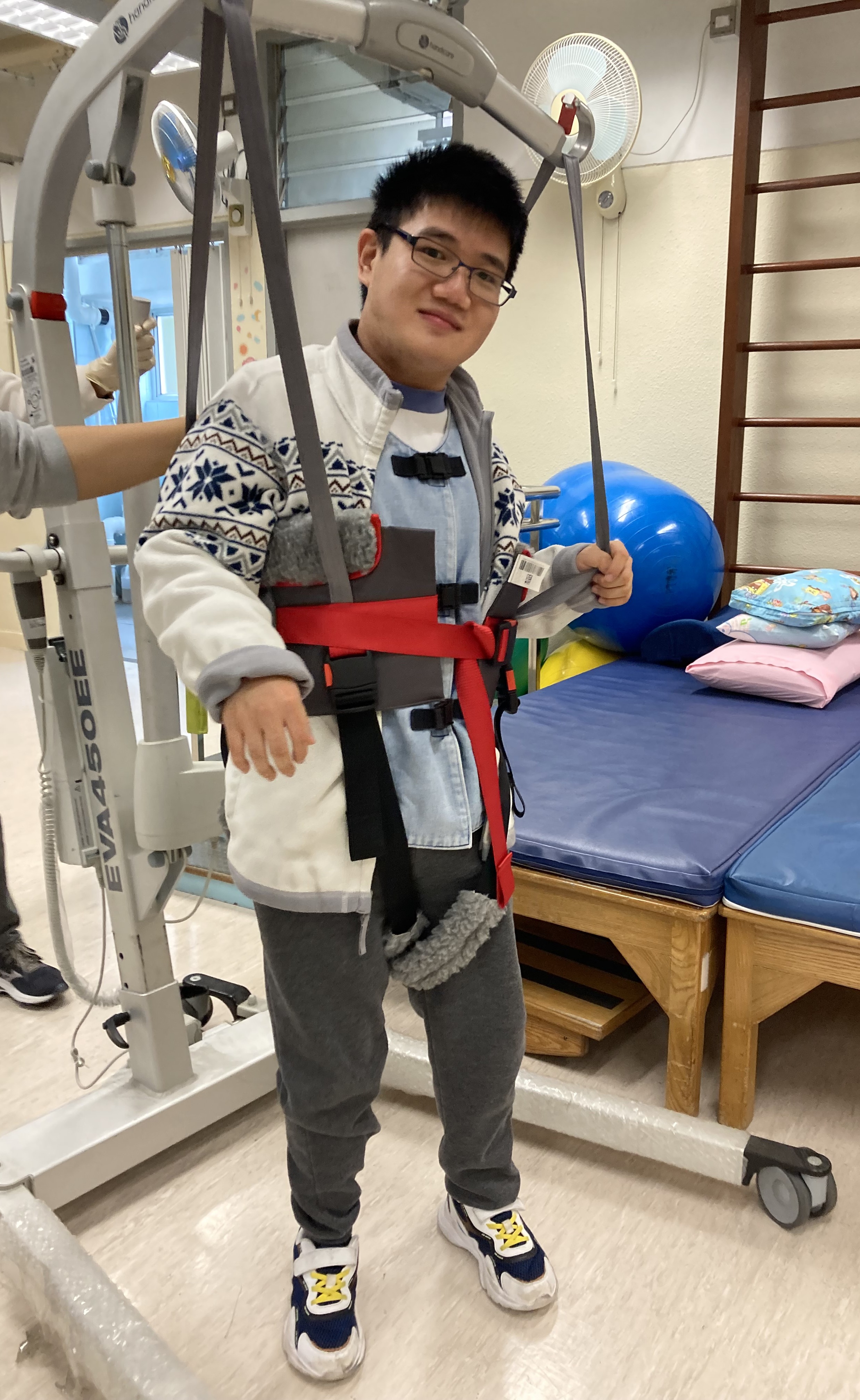
| 9. Trunk control and reaction training using wobble board and wooden box | 10. Simulated horseback riding exercise | 11. Simulated cycling exercise | 12. Assisted walking training using transfer aid |
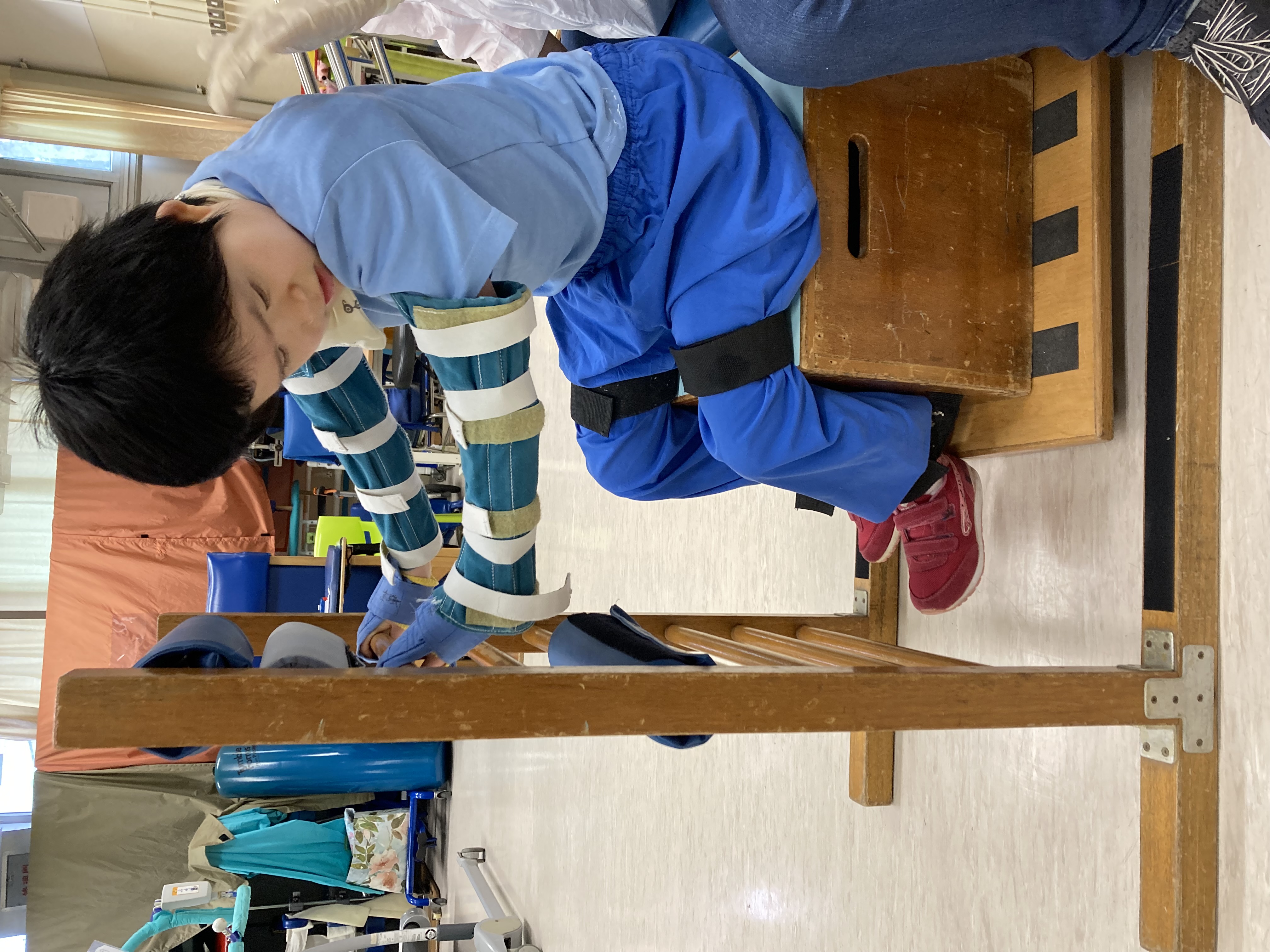 |
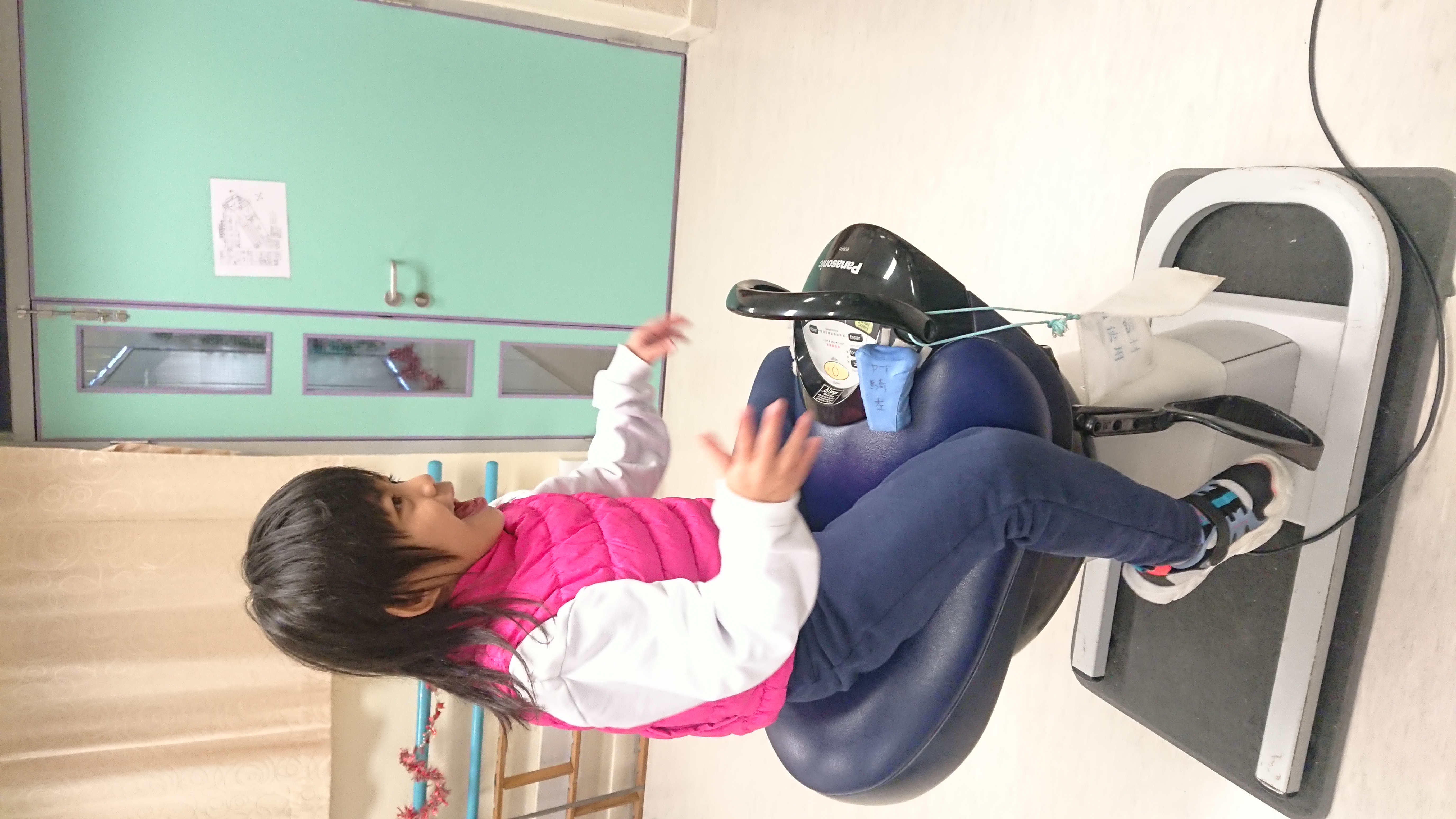 |
 |
 |
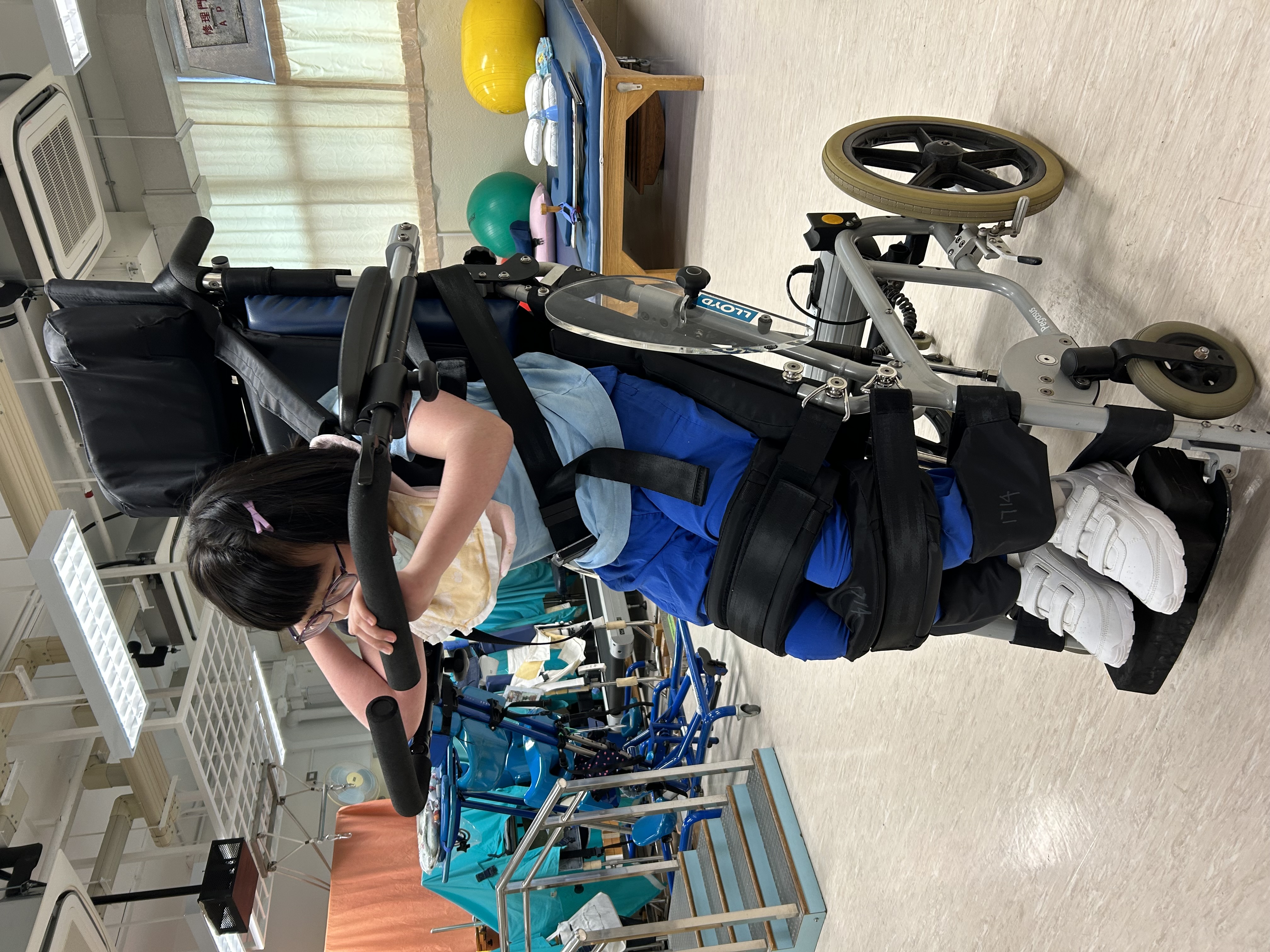
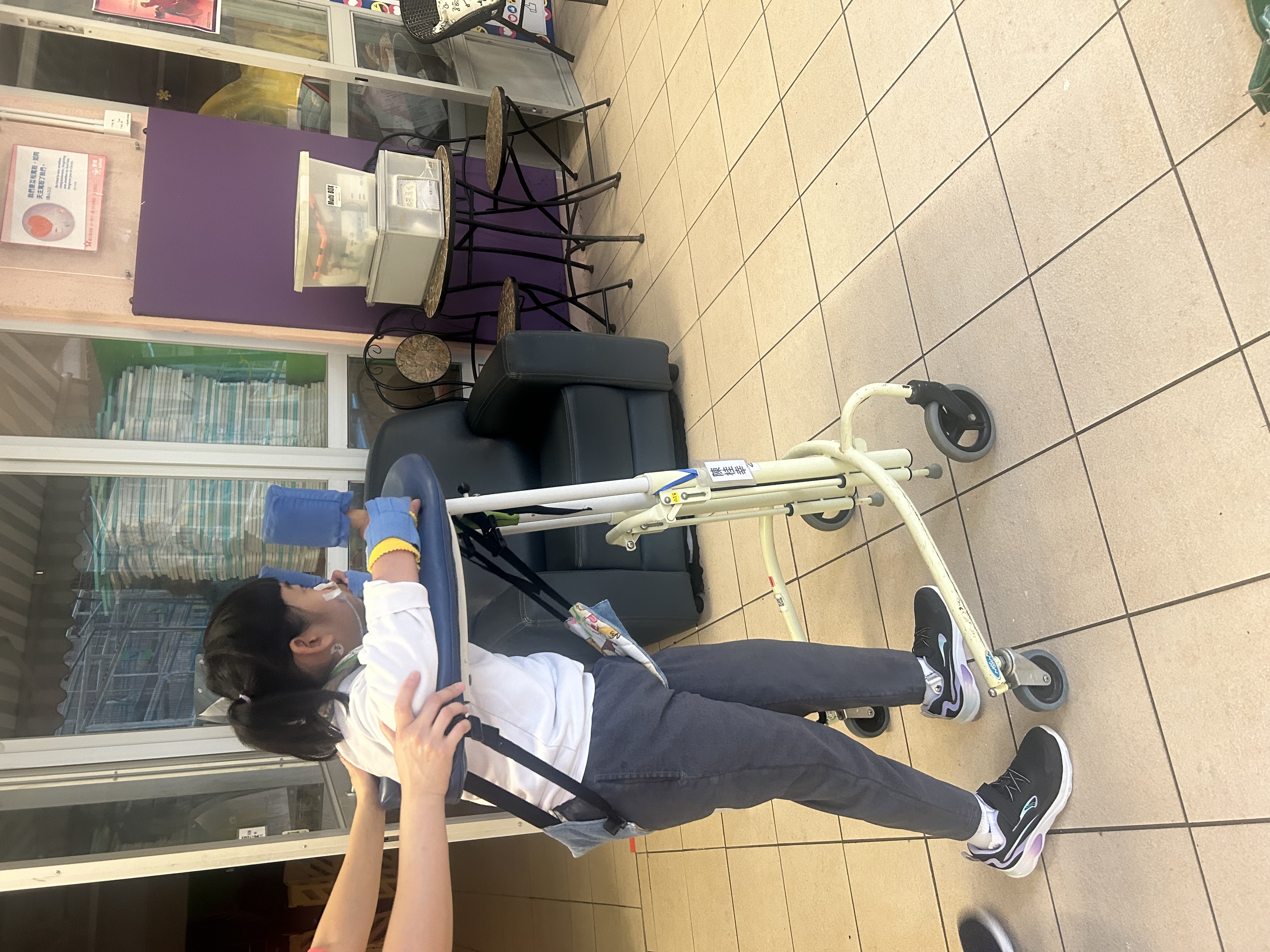
| 13. Assisted standing exercise using electric standing wheelchair | 14. Assisted walking exercise using walker | ||
 |
 |